




Study with Solomos Solomou from University of Cambridge
Political Economy in International Trade
Professor Solomos Solomou
Programme Background
In an increasingly interconnected global economy, understanding long-term economic trends and cyclical fluctuations is essential for interpreting current economic challenges and anticipating future developments. From financial crises to shifts in global trade and exchange rate regimes, economic systems are shaped by complex interactions between policy, markets, and external factors such as climate and technological change.
Economic history provides a critical framework for analyzing these dynamics over time. By examining long cycles, business cycles, and structural transformations, economists can better understand patterns of growth, instability, and recovery. In particular, the study of trade policy, exchange rate systems, and sectoral fluctuations offers valuable insights into how economies respond to both internal and external shocks.
Under the guidance of an experienced scholar from Cambridge, this programme introduces students to the historical and analytical foundations of modern economics. It aims to cultivate critical thinking, data interpretation skills, and the ability to apply economic theory to real-world issues, preparing students for advanced study and careers in economics, finance, and public policy.
40
Advanced Research & Lectures
Hours
10
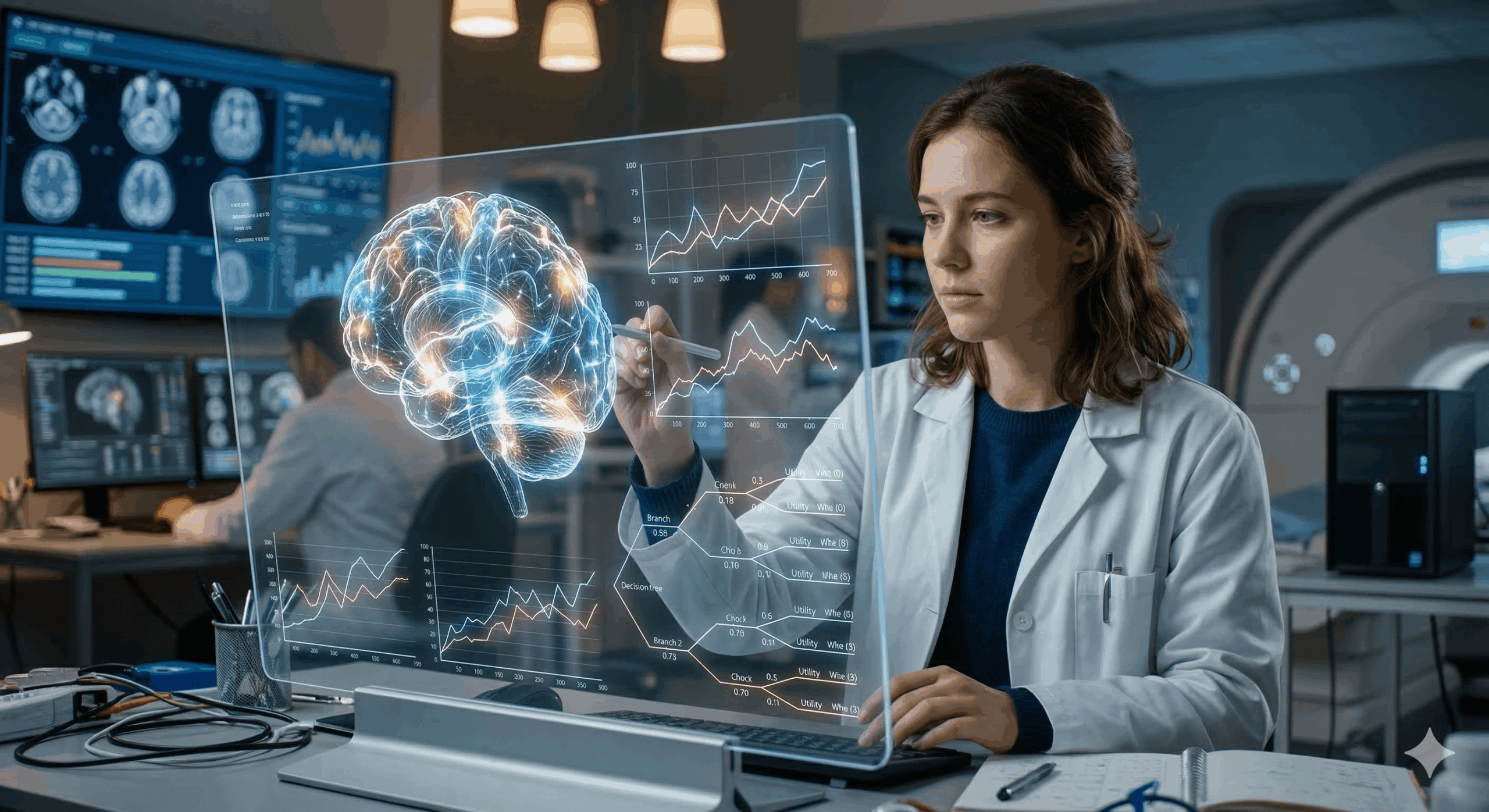
Neuroeconomics & Decision Science Topics Covered
95%
Previous Students Satisfaction Rate
100%
Programme Description
In this programme, students will explore key concepts in economic history and macroeconomic analysis, with a focus on long-term economic cycles and policy frameworks. The course combines theoretical learning with historical case studies, enabling students to develop a comprehensive understanding of how economies evolve over time.
Students will also develop analytical and research skills by working with historical data and economic models.
At the end of the programme, students will apply their knowledge to a real-world economic issue, producing a research report and presenting their findings. This process is designed to enhance their ability to conduct independent research, construct evidence-based arguments, and communicate complex ideas effectively.
Who can join the programme?
- High school students
- University students
- Students interested in economics, economic history, finance, public policy, or related fields
Syllabus
Programme Schedule
| Date | Time | |
| Lesson 1 | 25 July 2026 | 10am - 12pm London time |
| Lesson 2 | 01 August 2026 | 10am - 12pm London time |
| Lesson 3 | 08 August 2026 | 10am - 12pm London time |
| Lesson 4 | 15 August 2026 | 10am - 12pm London time |
| Lesson 5 | 22 August 2026 | 10am - 12pm London time |
| Lesson 6 | 29 August 2026 | 10am - 12pm London time |
| Lesson 7 | 05 September 2026 | 10am - 12pm London time |
| Lesson 8 | 12 September 2026 | 10am - 12pm London time |
| Lesson 9 | 19 September 2026 | 10am - 12pm London time |
| Lesson 10 | 26 September 2026 | 10am - 12pm London time |
Published Research Paper Option
Once students have completed the final draft of their papers, they may choose to submit their work to international academic journals indexed by CPCI or EI. We provide guidance and support throughout the submission process for these indexed publications.
The publication fee is £690 per research article, as determined by the journal. Once an article is accepted, it typically becomes searchable on Google and on the journal’s platform approximately seven months after the publication offer is made.